Huawei’s Big Bet on HarmonyOS: 100 Million Devices and the Race Against Android & iOS

Infinix Zero 30 5G
Huawei’s Big Bet on HarmonyOS: 100 Million Devices, 55 Million Milestone, and the App Ecosystem Race
Huawei is no longer just experimenting with its own operating system—it’s going all in.
Over the past few months, the company has quietly crossed major milestones with HarmonyOS 5 and 6, signaling that this is no longer a backup plan after losing access to Google services. It’s now a full-scale ecosystem play—one that aims to rival Android and iOS not just in hardware, but in software, apps, and developer adoption.
Let’s break down what’s really happening—and why it matters more than most people think.
The 100 Million Device Target
Huawei has set a bold target: over 100 million HarmonyOS 5 and 6 devices by winter 2026.
At first glance, this might sound like corporate optimism. But when you look at the growth curve, it starts to feel achievable.
Just months ago, the combined install base for these newer versions was significantly lower. Now, Huawei is pushing aggressive updates, new device launches, and ecosystem integrations to accelerate adoption.
What’s important here is not just the number—it’s the timing.
Huawei is aiming to hit this milestone when:
- The OS is more stable
- The app ecosystem is more mature
- Developers are more actively engaged
This suggests a deliberate strategy: scale only when the experience is ready.
Crossing 55 Million Devices
Before talking about 100 million, Huawei has already crossed a crucial milestone:
- Over 55 million smartphones running HarmonyOS (5/6)
That number matters for a simple reason: ecosystems don’t work without scale.
At 50+ million users, something changes:
- Developers start taking the platform seriously
- Apps begin to improve faster
- Bugs get resolved quicker due to real-world usage
Huawei also revealed:
- Around 150,000 new activations per day at one point
- 350,000+ apps/services in the ecosystem
- 10+ million registered developers
This is not a small, experimental platform anymore. It’s entering what you can call “critical mass territory.”
HarmonyOS Is No Longer Just for Phones
One of Huawei’s smartest moves is expanding HarmonyOS beyond smartphones.
Today, the OS is already present across:
- Smart home devices
- Smart cars
- PCs and laptops
- AI infrastructure and data systems
This matters because Huawei is not trying to win the smartphone war alone. It’s building a cross-device ecosystem, similar to what Apple has done with iOS, macOS, and watchOS.
The idea is simple:
- One OS
- Multiple device categories
- Seamless interaction between them
And this is where HarmonyOS could actually differentiate itself—not by copying Android, but by going beyond it.
The Biggest Challenge
The real challenge has always been the app ecosystem.
Earlier versions of HarmonyOS struggled because:
- Many apps were missing
- Some apps lacked features
- Others were unstable or incomplete
Even popular apps had limited functionality compared to Android or iOS.
Huawei knows this—and it’s addressing it head-on.
Huawei’s Promise
One of the most critical statements from Huawei recently is this:
- HarmonyOS apps will be on par with Android and iOS by April (timeline shared by Huawei)
That’s a bold claim.
If achieved, it would remove the single biggest barrier for users considering switching to Huawei devices.
To support this, Huawei has:
- Invested heavily in developer tools
- Built native APIs and frameworks
- Encouraged developers to build native HarmonyOS apps instead of ports
Also important:
- HarmonyOS 5+ no longer supports Android APKs
- It relies entirely on its own native ecosystem
This is risky—but necessary.
Because long-term success requires independence, not compatibility hacks.
From Android Alternative to Independent Platform
Earlier versions of HarmonyOS were partially dependent on Android frameworks.
That era is over.
With HarmonyOS 5 and beyond:
- Huawei removed Android code completely
- Introduced its own kernel and architecture
- Shifted fully to native app development
This makes HarmonyOS:
- More optimized
- More secure
- More controllable by Huawei
But it also raises the stakes.
Now, success depends entirely on:
- Developer adoption
- App quality
- User experience
There’s no fallback.
The Developer Economy
Huawei is not just building an OS—it’s building a developer economy.
Current ecosystem stats show:
- Millions of developers onboard
- Rapid growth in apps and services
- Increasing enterprise and infrastructure use
This is critical because platforms don’t win on features—they win on ecosystems.
If developers see:
- A growing user base
- Monetization opportunities
- Stable APIs
They will invest.
And once developers commit, the platform becomes self-sustaining.
Why This Matters Globally
Many people assume HarmonyOS is only relevant inside China.
That’s short-sighted.
Here’s why:
- Emerging markets are open to alternatives
Not everyone is locked into Google or Apple ecosystems. - Cost-sensitive regions prefer integrated ecosystems
Huawei’s hardware + software bundle can be attractive. - Geopolitical shifts are accelerating tech independence
Countries are increasingly interested in non-US platforms. - Huawei already has strong hardware distribution globally
If HarmonyOS matures, it could:
- Become the third major mobile ecosystem
- Compete strongly in Asia, Middle East, and Africa
- Gradually expand beyond those regions
Can Huawei Pull It Off?
Let’s be realistic.
Huawei has:
- The hardware capability
- The financial backing
- The ecosystem vision
But success depends on execution.
Key risks include:
- App quality still lagging behind competitors
- Developer fatigue if growth slows
- Limited global app availability
At the same time, the momentum is undeniable:
- 55 million devices already
- 100 million target in sight
- Rapid ecosystem expansion
This is no longer a theoretical challenge to Android and iOS.
It’s a real one.
What to Watch Next?
Over the next 6–12 months, three things will define HarmonyOS’s future:
1. App Ecosystem Quality
If Huawei delivers true parity, adoption will accelerate.
2. Developer Engagement
Sustained growth depends on developers staying invested.
3. Global Expansion Strategy
If Huawei moves beyond China effectively, the game changes.
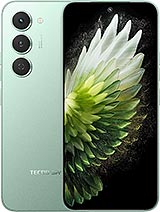
Tecno Spark 40 Pro

About Ayesha
Editor: Industry & Consumer Tech Specialist - Ayesha is a Pakistani tech editor and gadget analyst with years of experience covering smartphones, wearables, laptops, and consumer electronics for digital audiences across South Asia. At PakistaniLiving (PL), she focuses on real-world gadget reviews, buying guides, PTA and pricing trends, battery performance, camera testing, and practical usability for Pakistani consumers. Her work combines industry awareness with an everyday user perspective, helping readers make smarter technology decisions without unnecessary technical jargon.