Huawei’s Open-Source HarmonyOS Quietly Reaches 55 Million Devices as Android Rivalry Intensifies
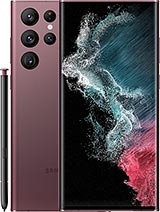
Samsung Galaxy S22 Ultra
Huawei’s software ambitions are no longer just a survival strategy. The company’s open-source HarmonyOS ecosystem has now crossed an estimated 55 million devices, showing how aggressively Huawei is building its own technology stack after years of restrictions from the United States and other Western markets.
Originally launched after Huawei lost access to Google Mobile Services and future Android support for newer devices, HarmonyOS started as a backup plan. Today, it is becoming one of the largest non-Android operating systems in the world, especially across China’s rapidly growing smart device ecosystem.
Huawei Central reports that the open-source version of HarmonyOS is now running across smartphones, tablets, wearables, smart screens, smart home products, and IoT devices. The company is also pushing deeper integration between devices, allowing users to seamlessly transfer apps, calls, files, and notifications across the ecosystem.
Unlike traditional Android forks, Huawei is trying to build HarmonyOS as a fully connected platform rather than just a smartphone operating system. The company frequently markets the idea of a “super device” experience where phones, TVs, tablets, cars, and wearables operate as one connected environment.
Huawei’s strategy is becoming increasingly important because the global smartphone market is slowly entering a new phase where software ecosystems matter more than raw hardware specifications. Apple already dominates this category through iOS, macOS, Apple Watch, and iPad integration. Huawei wants HarmonyOS to become China’s answer to that ecosystem model.
The growth is particularly notable because Huawei achieved this despite severe limitations on advanced chip access, 5G restrictions in some regions, and the inability to use Google apps natively on newer devices. Many analysts initially expected Huawei’s smartphone business to collapse entirely after sanctions, but the company instead redirected focus toward software independence.
HarmonyOS has also become a national technology symbol inside China. Chinese developers, manufacturers, and government-linked entities increasingly support alternatives to Western software platforms due to concerns around technological dependency and geopolitical uncertainty.
Huawei claims HarmonyOS is designed for lightweight deployment across multiple device categories. This allows manufacturers to use the operating system on everything from smartphones and smartwatches to industrial systems and automotive dashboards. The company believes this flexibility gives HarmonyOS an advantage in the future Internet of Things market.
One of Huawei’s biggest goals is reducing dependence on Android entirely. Earlier versions of HarmonyOS still shared significant compatibility layers with Android applications, but Huawei is now pushing native HarmonyOS app development more aggressively. Chinese developers are increasingly publishing dedicated HarmonyOS apps for banking, ecommerce, transportation, streaming, and social media services.
The app ecosystem remains one of the biggest challenges in Huawei’s race against Android and Apple. Google Play Store dominance globally remains difficult to replace, especially outside China. However, Huawei’s AppGallery has expanded considerably over the past few years, with many major regional apps now officially available.
Huawei’s hardware recovery is also helping HarmonyOS adoption. The company’s Mate and P-series smartphones regained momentum in China after the release of devices featuring advanced locally produced chipsets. This surprised many industry observers who believed sanctions had permanently weakened Huawei’s flagship capabilities.
At the same time, Huawei is pushing HarmonyOS beyond phones. The operating system is now deeply integrated into smart TVs, earbuds, fitness wearables, tablets, smart home products, and even electric vehicles. This broader ecosystem strategy may eventually become more important than smartphone market share alone.
Industry experts believe Huawei’s long-term objective is to create a self-sustaining technology ecosystem independent from both Google Android and Microsoft-powered infrastructure. The company is investing heavily in cloud services, AI integration, semiconductor recovery, enterprise platforms, and distributed operating systems.
The global Android market still remains overwhelmingly dominant, led by companies like Samsung, Xiaomi, OPPO, vivo, and Google itself. But HarmonyOS growth shows there is now room for alternative ecosystems, especially in regions where local technology independence is becoming strategically important.
For consumers in Pakistan and other Asian markets, HarmonyOS devices are becoming increasingly visible through Huawei tablets, smartwatches, earbuds, and mid-range smartphones. Many buyers are particularly interested in Huawei’s battery optimization, multi-device integration, camera performance, and premium hardware design.
However, limitations still exist. Some international banking apps, Google-dependent applications, and enterprise tools may not work as smoothly compared to traditional Android devices. Users heavily invested in Google services often still prefer Samsung or other Android brands because of ecosystem familiarity.
Even so, Huawei’s progress demonstrates how software independence can reshape the technology landscape. A few years ago, many expected HarmonyOS to remain a niche platform. Crossing tens of millions of devices now suggests Huawei has successfully turned a geopolitical crisis into a large-scale operating system strategy.
The next major battleground will likely revolve around AI integration, app ecosystems, and cross-device experiences rather than just smartphone hardware alone. Huawei clearly wants HarmonyOS to compete in all three areas as it continues its long-term race with Android.
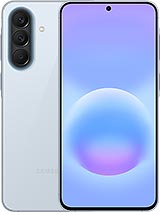
Samsung Galaxy A57 5G

About Ayesha
Editor: Industry & Consumer Tech Specialist - Ayesha is a Pakistani tech editor and gadget analyst with years of experience covering smartphones, wearables, laptops, and consumer electronics for digital audiences across South Asia. At PakistaniLiving (PL), she focuses on real-world gadget reviews, buying guides, PTA and pricing trends, battery performance, camera testing, and practical usability for Pakistani consumers. Her work combines industry awareness with an everyday user perspective, helping readers make smarter technology decisions without unnecessary technical jargon.