
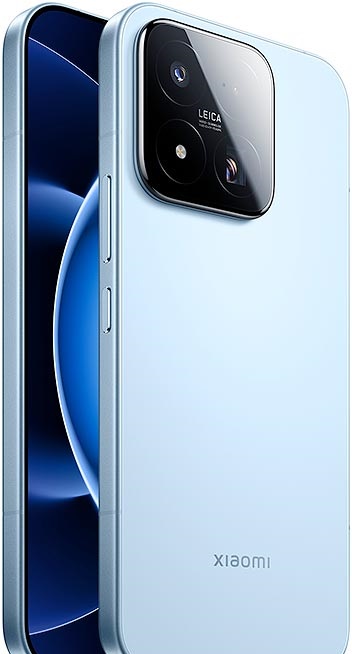
Xiaomi 17 Max – Launched

Samsung Galaxy S22 Ultra
Most flagship phones in 2026 ask you to pick your poison. You either get the best camera or the best battery. Xiaomi decided that was a false choice. The Xiaomi 17 Max, just announced in China, stacks a 200-megapixel Samsung HP9 main sensor on top of an 8,000 mAh silicon-carbon cell and calls it a day. It is the fourth phone in the Xiaomi 17 family, and arguably the most interesting one for Pakistani buyers who want raw capability without paying Pro Max money.
- A Battery That Actually Changes Your Routine
The 8,000 mAh silicon-carbon battery is not just a big number for spec sheets. Silicon-carbon chemistry is genuinely different from conventional lithi
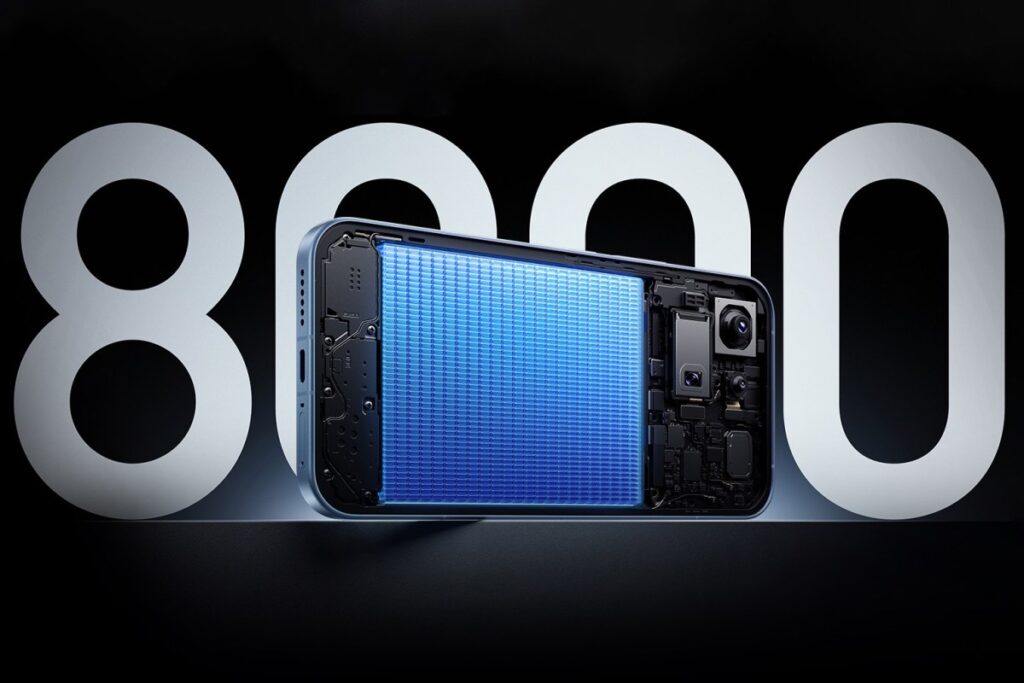
um-ion because the silicon anode stores more energy per unit of volume, which is how Xiaomi fits this cell into a phone that does not look like a brick. Xiaomi claims over two days of normal usage per charge, and the battery is rated to retain 80 percent of its capacity after 1,600 full charge cycles, which works out to more than four years of daily use before any meaningful degradation kicks in.
When you do plug in, 100W wired charging and 50W wireless are supported. The 17 Max can also push 22.5W in reverse wired charging, so it can top up your earbuds or a friend’s phone when needed. For Pakistan, where load shedding is still a real consideration in many cities, a phone that genuinely lasts two days and charges fast is not a luxury feature. It is a practical one.
- The Camera System: 200MP Is Not a Gimmick
High megapixel counts on mid-range phones often mean little because the sensor is tiny and the optics are worse. The 17 Max does not have that problem. The 200MP main shooter uses Samsung’s HP9 sensor, supports up to 13.5EV of dynamic range, and comes with an f/1.65 aperture and optical image stabilisation. Leica’s colour science and processing pipeline, the same one applied across the Xiaomi 17 series, sits on top of all of it.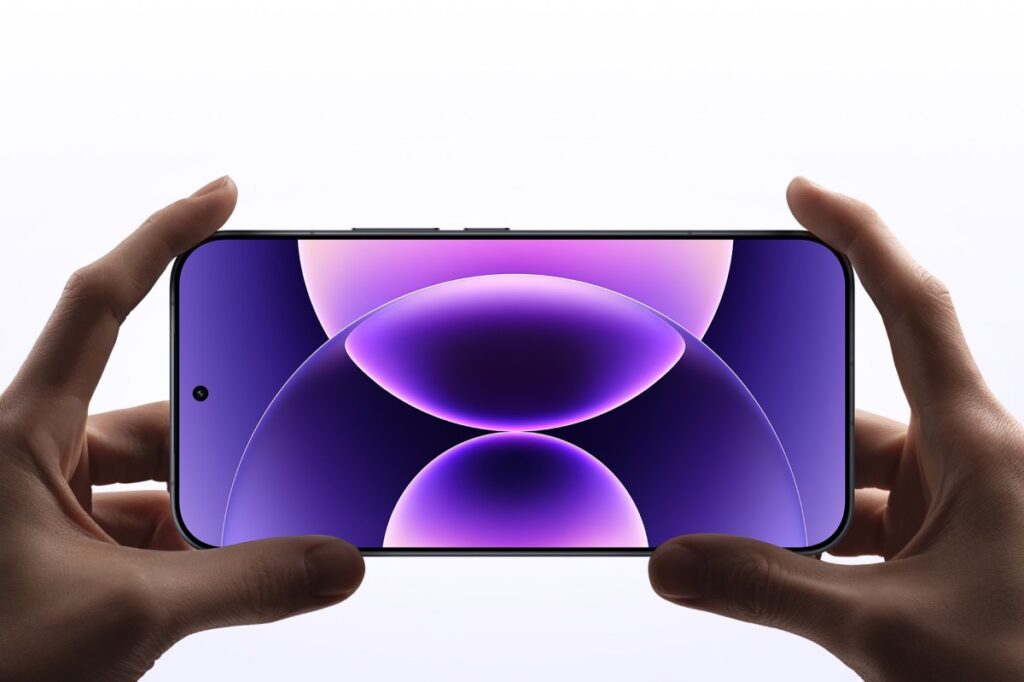
The rest of the camera system holds up too:
-
- 50MP ultrawide with a 17mm equivalent focal length for expansive shots
- 50MP telephoto with 3x optical zoom and macro photography support
- 32MP selfie camera behind the punch-hole cutout
- 4K video recording supported
- Ultrasonic in-display fingerprint sensor, not optical
What makes this setup interesting is that the 17 Max actually goes higher on the main camera resolution than its sibling the 17 Pro Max, which sticks to a 50MP Leica setup. The trade-off is that the Pro Max has a secondary rear screen, which this phone drops. Most people will not miss that screen. Most people will absolutely notice 200 megapixels.
- Performance and Display
Under the hood sits Qualcomm’s Snapdragon 8 Elite Gen 5, the same chip powering every serious Android flagship right now. It is paired with up to 16GB of LPDDR5X RAM and up to 512GB of UFS 4.1 storage. The display is a 6.9-inch AMOLED panel running at 2,608 x 1,200 resolution, 120Hz refresh rate, and peaking at 3,500 nits of brightness. That brightness figure matters in Pakistani summers where you are often reading a screen in direct sunlight.
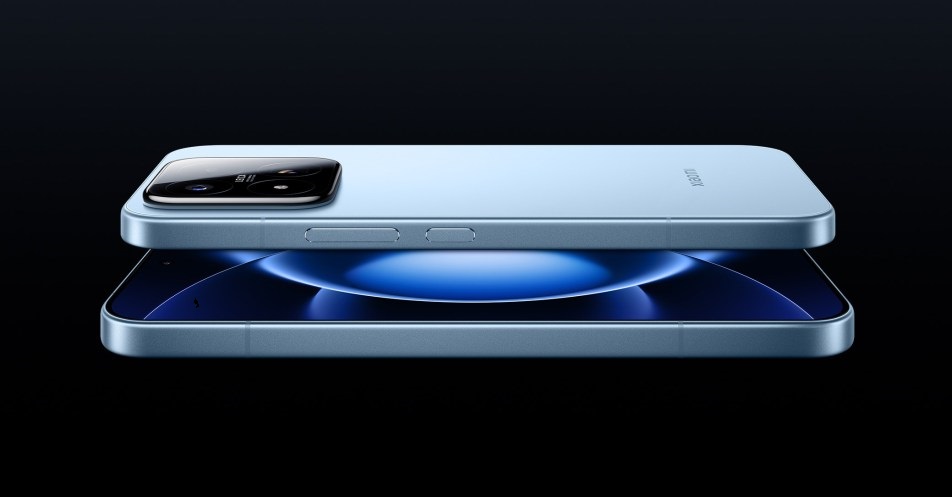
The phone ships with HyperOS 3 based on Android 16 and carries full IP68 and IP69 ratings, meaning it handles both submersion and high-pressure water jets. It comes in black, white, and blue.
- Price in Pakistan: What to Expect
In China, the 12GB/256GB version starts at CNY 4,799, which converts to roughly Rs. 197,000 at current exchange rates. The top-end 16GB/512GB model is priced at CNY 5,799, or around Rs. 238,000 converted. Local Pakistani market listings currently estimate the 17 Max at approximately Rs. 279,999 for the base variant, though no official launch date for Pakistan has been confirmed.
That price will rise further once PTA device registration taxes are factored in, which on a phone at this price tier can add anywhere from Rs. 50,000 to Rs. 80,000 depending on how it is imported. If Xiaomi brings this phone officially to Pakistan, the story changes. If it stays grey-market only, buyers should budget accordingly.
For context, the Xiaomi 17 vanilla is currently available in Pakistan around Rs. 329,999. The 17 Max, with its significantly larger battery and higher-resolution camera, should sit below that once local pricing settles, which makes it a more compelling buy than the standard model in many ways.
- Should Pakistani Buyers Care?
The Xiaomi 17 Max does not try to do everything. There is no secondary rear screen like the Pro Max. There is no periscope zoom beyond 3x. What it does instead is offer a genuinely massive battery with proper fast charging, a camera system built around one of the highest-resolution sensors on any phone right now, and the fastest Android chip available, all in one package. That is a coherent proposition. 
Pakistani consumers have historically leaned toward phones that deliver strong daily performance without requiring constant charging. The 17 Max is built around exactly that concern. Whether it arrives officially or through grey channels, it deserves serious attention from anyone spending serious money on a flagship this year.
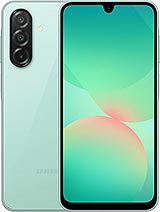
Samsung Galaxy A26

About Luqman
A passionate technology writer and digital researcher,Luqman specializes in simplifying complex tech trends into practical, user-focused insights. With a strong interest in smartphones, emerging gadgets, and digital ecosystems, Luqman delivers well-researched, unbiased content tailored for everyday users. From product deep-dives to buying guides, the goal is simple: help readers make smarter, more informed decisions in a fast-changing tech landscape.